AGP Executive Report
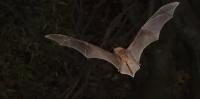
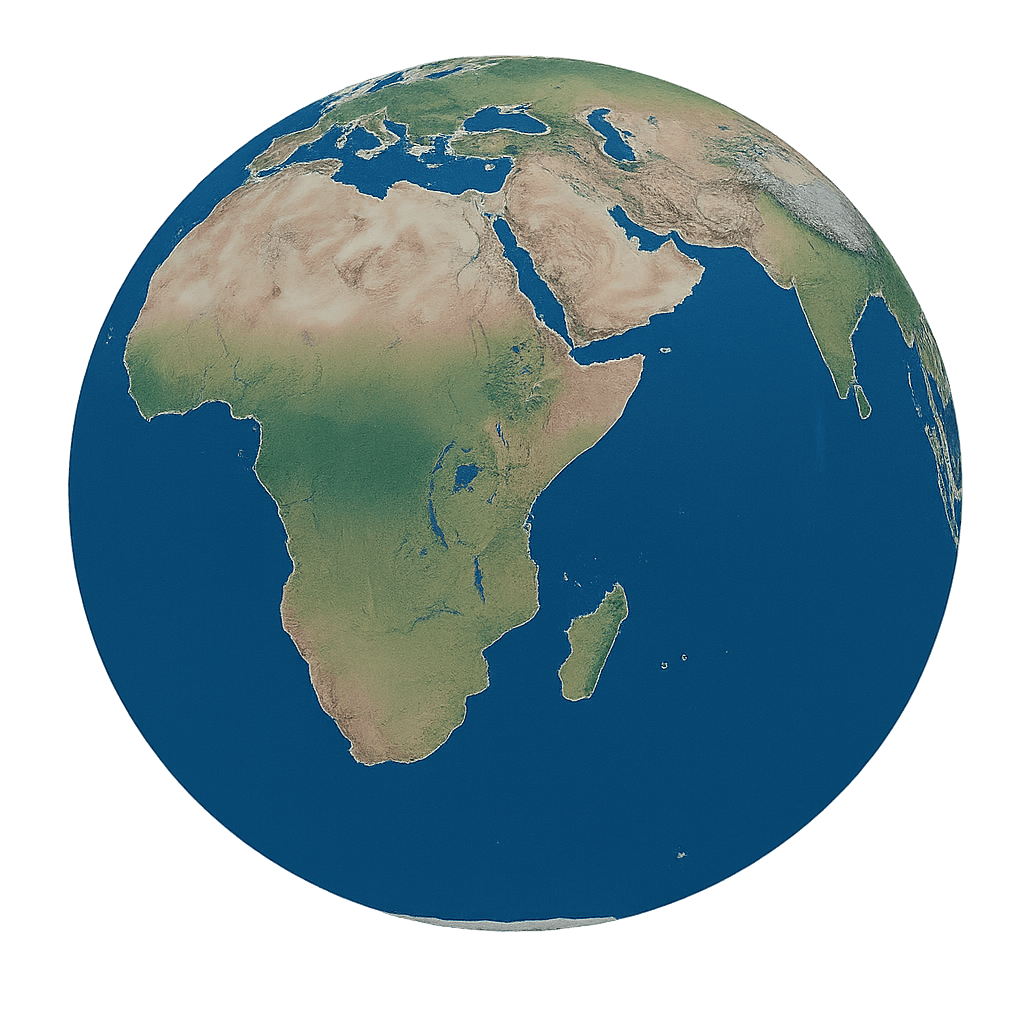
Last update: 6 hours agoWildlife: African cave-dwelling bats could lose 36% to 64% of suitable climate range by 2070, a new study finds. Madagascar is among the remaining refuges, but suitable caves and future climate overlap in only a tiny share of the landscape—making connected habitat protection vital. Climate Risk: The UN warns El Niño could reach unprecedented strength late this year, with extreme weather impacts likely to continue afterward. Agencies are seeking urgent support to protect vulnerable communities. Madagascar Conservation: Four endangered Madagascar sacred ibis chicks are being raised by their parents at Houston Zoo, a first for the zoo; only about 2,300 to 3,000 are thought to remain in the wild. Clean Energy: Malagasy journalist Nirina Lalao Claude Rakotomiarintsoa won a COMESA award for digital reporting on clean energy integration.
Note: AI summary from news headlines; neutral sources weighted more to help reduce bias in the result. Feedback is welcome. Please let us know if you have any comments or suggestions about the AGP Executive Report.

 Perspectify News