
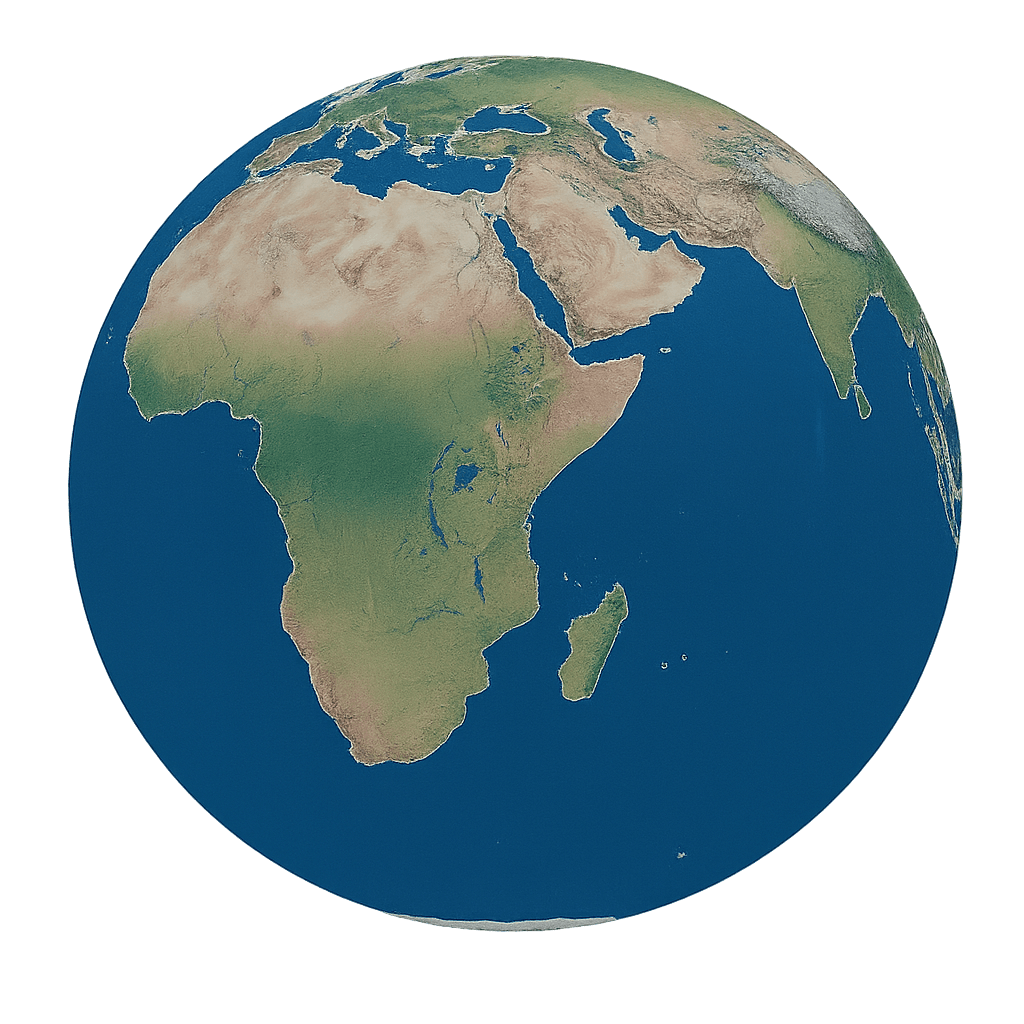
El Niño Warning: The UN weather agency says El Niño is strengthening rapidly and could be among the strongest since 1950, with a near-certain chance of lasting through February. Southern Madagascar faces heightened drought risk as rain-dependent farmers report failing crops and scarce water. Hunger Crisis: In the famine-scarred south, families are already going hungry before the climate event peaks. A World Food Programme centre in Ifotaka is feeding malnourished children as aid cuts and rising prices deepen the strain. Conservation Leadership: Patricia Wright, who directs Madagascar’s Centre ValBio research station, has been named a 2026–27 Hagler Fellow for her work in biodiversity conservation and tropical biology. Invasive Species: A vine native to southwestern Madagascar, rubber vine became a damaging weed in northern Australia after being cultivated there during World War II, smothering native plants and invading waterways and pastures.
AGP Executive Report
Your go-to archive of top headlines, summarized for quick and easy reading.
Note: AI summary from news headlines; neutral sources weighted more to help reduce bias in the result. Feedback is welcome. Please let us know if you have any comments or suggestions about the AGP Executive Report.
El Niño Warning: The UN says El Niño is expected to strengthen before peaking in December, bringing hotter conditions and shifting rainfall patterns that could raise drought and flood risks. Southern Madagascar: Farmers are already reporting poor crops and scarce water as communities brace for drought. In famine-hit areas, hunger and child malnutrition are worsening before the event’s full impact, aid workers say. Changing Seas: Scientists off Mozambique report more frequent orca and whale-shark sightings in the Mozambique Channel. They say changing currents and water temperatures may be affecting marine food sources, but the link to El Niño is uncertain. Regional Cooperation: South Korea and the Indian Ocean Commission have agreed to pursue projects on climate response, fisheries and food security, with Madagascar among the member states.
El Niño Threat: Southern Madagascar is bracing for increased drought risk as El Niño develops. Farmers report unreliable rains and worsening crops, while communities still scarred by famine face growing food insecurity and water shortages. Invasive Species: A vine native to south-western Madagascar became a major weed in northern Australia after it was introduced as an ornamental and later cultivated for rubber during the Second World War. It now smothers native vegetation and invades waterways and pastures. Changing Marine Life: Researchers off Mozambique say orcas and whale sharks are appearing more often than before. They suspect shifting currents and temperatures in the Mozambique Channel could be changing food supplies, but say any link to El Niño remains uncertain.
El Niño and Hunger: Southern Madagascar is already facing severe hunger as El Niño approaches. In Ifotaka, where a 2021–22 famine devastated communities, aid workers warn that drought risk, rising prices and cuts to international assistance could worsen food shortages. Regional Climate and Fisheries: South Korea and the Indian Ocean Commission, which includes Madagascar, have agreed to fund cooperation on climate response, fisheries, maritime security and food security. Ocean Safety: A regional search-and-rescue training in Mahajanga brought maritime teams from eight countries together to practise coordination at sea. Mining Pollution: Villagers in Madagascar have filed a claim against Rio Tinto over allegedly contaminated wastewater.

El Niño Watch for Southern Africa: Federal forecasters say El Niño has a >90% chance of becoming very strong this autumn and winter, raising risks of drought, disruptive rainfall, and heat across the south-west Indian Ocean—bad news for agriculture and water supplies, including southern and central Mozambique and south-west Madagascar. Marine Life & Climate Signals: Off Mozambique, scientists report more frequent sightings of orcas and whale sharks, possibly linked to El Niño-driven shifts in currents, water temperature, and plankton. Madagascar Research & Green Tech: A study highlights Madagascar periwinkle (Catharanthus roseus) as a “natural factory” for making nanoparticles that boost plant defenses and inhibit bacteria—pointing to greener crop protection options. Plague Panic Abroad: A suspected pneumonic plague incident in Siberia has triggered quarantines and global alarm; authorities say it’s not confirmed and spread beyond Russia hasn’t been detected. Local Conservation & Safety: Madagascar hosted regional maritime search-and-rescue training in Mahajanga, strengthening cooperation across eight Indian Ocean countries. Governance & Access: Madagascar’s mobile internet reforms face a key hurdle: taxes that keep smartphones and data out of reach, threatening digital inclusion.
Marine Life & Climate Signals: Growing numbers of orcas and whale sharks are being spotted off Mozambique, with scientists linking the shift to El Niño-driven changes in currents, water temperatures, and plankton food webs across the Mozambique Channel that connects to Madagascar. El Niño Watch: Climate forecasters warn El Niño is strengthening toward a very strong event, raising risks of disruptive rainfall, drought, and heat across the south-west Indian Ocean region, including drier conditions and higher drought risk for southern and central Mozambique and south-western Madagascar. Madagascar Connectivity & Policy: A look at Madagascar’s mobile internet “turning point” argues the Electronic Communications Bill won’t be enough without cutting telecom costs—especially taxes that make smartphones and mobile services unaffordable. Regional Safety at Sea: Maritime search-and-rescue training in Mahajanga brought professionals from eight countries together for shared drills and coordination, using local vessels to strengthen response capacity across the Indian Ocean. Water & Nature Restoration Funding: The Aga Khan Foundation launches a 10-year Indian Ocean restoration push, aiming to protect ecosystems like mangroves while creating livelihoods for coastal communities facing climate shocks. Madagascar Science for Safer Farming: A study highlights Madagascar periwinkle (Catharanthus roseus) as a “green factory” for nanoparticles that boost plant defenses and suppress bacteria—pointing to lower-toxicity crop protection options.
Green Tech & Agriculture: Iran researchers report “green-synthesized” nanoparticles made using Madagascar periwinkle (Catharanthus roseus) that can strengthen plant defenses and curb harmful bacteria—an approach that could reduce reliance on harsher agrochemicals. Digital Inclusion: Madagascar’s mobile internet push is hitting a cost wall: coverage exists, but taxes on telecoms and mobile finance plus import duties on entry-level phones keep smartphones out of reach, even as the Electronic Communications Bill is framed as a turning point. Maritime Safety: In Mahajanga, a regional search-and-rescue training brought together maritime professionals from eight countries, using at-sea drills and local vessels to improve coordination across the Indian Ocean. Climate & Water Risk: El Niño is expected to worsen drought risk in southern Africa, with Madagascar flagged among the most vulnerable in the south-west Indian Ocean region. Mining & Communities: Madagascar villagers are again in the spotlight for a legal claim against Rio Tinto over alleged contaminated wastewater. Wildlife Science: New research finds indri lemurs in eastern Madagascar “tune” their vocal tract shapes like singers, helping them carry songs through dense forest.
Climate & Water Risk: The UN warns Mozambique is among Africa’s most vulnerable to the coming “super El Niño,” with heatwaves, below-normal rain and drought risks—while Madagascar is also flagged. Marine Conservation: Tanzania is set to host COP12 to the Nairobi Convention (Oct 6–9) to push joint action on marine pollution, illegal fishing, climate impacts and coastal ecosystem degradation. Biodiversity & Wildlife: New research says Madagascar’s indri lemurs “tune” their mouth shape to sing like trained sopranos, helping long-distance communication in eastern rainforest habitat. El Niño Weather Watch: South Africa expects partly cloudy conditions with isolated showers and thunderstorms, while El Niño threatens drier, hotter conditions across the south-west Indian Ocean region. Mining & Pollution (Madagascar): Villagers file a claim against Rio Tinto over alleged contaminated wastewater, adding pressure on accountability for environmental harm. Conservation Finance: The IMF approved a $155M payout to Madagascar, a reminder that funding decisions can shape environmental outcomes.
Climate Risk for Southern Africa: El Niño is expected to bring drier conditions and higher drought risk across South Africa and southern/central Mozambique, with knock-on effects for farming, water and food security. Water Investment Push: Madagascar’s President Netumbo Nandi-Ndaitwah urged faster, bankable funding for Africa’s water sector, linking water to climate resilience and development. Madagascar’s IMF Relief: The IMF approved Madagascar’s next bailout reviews, unlocking about $155 million as the country faces cyclone fallout and political transition. Mining Contamination Fight: In London, more than 6,500 people in Madagascar filed a High Court claim against Rio Tinto/QMM over alleged lead and uranium contamination from mine wastewater. Uranium Opposition in the US: Utah’s White Mesa Ute community plans its 10th spiritual walk on Oct 17 to protest an Energy Fuels uranium mill and radioactive waste risks to water and sacred sites. Biodiversity Spotlight: New research finds indri lemurs in eastern Madagascar “tune” their mouth shapes like singers, helping their songs carry through dense forests. Ocean Conservation Angle: A report highlights how sea turtles linking Mozambique Channel and Madagascar show why marine protection needs regional cooperation and shared financing. Extreme Nature Story: Welsh adventurer Ash Dykes is set to paddle the Congo Basin’s Sangha River in an inflatable kayak, starting a series of high-risk challenges.
Plague Alert in Siberia: A 28-year-old lab technician at Russia’s Irkutsk Anti-Plague Research Institute died after a reported test-tube break, with nearly 200 contacts quarantined and hospital wards restricted—raising fresh questions about safety at anti-disease facilities. El Niño Water Stress: Southern Africa faces worsening drought risk as El Niño strengthens, with South Africa and southern/central Mozambique warned of impacts on agriculture, water and food security. Madagascar IMF Support: The IMF approved Madagascar’s next bailout reviews, unlocking about $155 million amid political transition and cyclone-linked vulnerability. Rio Tinto in the Spotlight: Over 6,500 people in Madagascar filed a London High Court claim against Rio Tinto’s QMM mine, alleging lead and uranium contamination via wastewater into local drinking and farming waterways. Western Indian Ocean Climate Outlook: Regional agencies urged multi-hazard preparedness for October 2026–March 2027, including drought and flooding risks affecting fisheries, health and marine ecosystems. Indri “Singing” Lemurs: New research highlights how Madagascar’s indri lemurs likely use mouth-shape “tuning” to project songs through dense forests.
IMF Support for Madagascar: The IMF approved the third and fourth reviews of Madagascar’s bailout, unlocking about $155 million, as the country faces a political transition, cyclone fallout, and spillovers from the Middle East conflict. Mining Accountability: In London’s High Court, more than 6,500 people in Madagascar filed a claim against Rio Tinto’s QMM mine, alleging acidic wastewater discharged into local lakes and waterways exposed communities— including over 2,000 children— to dangerous lead and uranium levels. Climate Risk in the Indian Ocean: A regional climate outlook warns Madagascar and neighbors to prepare for multiple hazards as El Niño strengthens—southern areas face drought and food risks, while other zones brace for flooding, landslides, and marine impacts. Marine Conservation Linkages: Coverage highlights why protecting migratory sea turtles and connected Western Indian Ocean habitats needs cross-border cooperation and financing that can follow animals across jurisdictions. Biodiversity Science from Madagascar: New research on indri lemurs describes how these eastern Madagascar singers use mouth-shape “tuning” to carry songs over long distances in dense forests.
El Niño and climate risk: The UN warns Mozambique is among Africa’s most vulnerable countries as a “super El Niño” could bring heatwaves, drought and cyclones, and it flags Madagascar as one of the other most vulnerable. Regional climate planning: A Western Indian Ocean outlook urges multi-hazard preparedness for Oct–Dec 2026 and Jan–Mar 2027, with drought and heat risks in the south and flooding, landslides and marine impacts for northern and island states—covering agriculture, water, health and fisheries. Madagascar finance: The IMF approved the next reviews of Madagascar’s bailout, unlocking about $155 million, citing heightened vulnerability after cyclones and political transition. Mining and pollution lawsuit: Over 6,500 people in Madagascar have filed a London High Court claim against Rio Tinto/QMM, alleging acidic wastewater discharged into local lakes and waterways exposed residents—especially children—to dangerous lead and uranium. Conservation science: New research says indri lemurs in eastern Madagascar “sing” using mouth-shape tuning to carry calls over long distances in dense forests.
Climate Risk for Madagascar & SW Indian Ocean: A regional climate outlook warns October–March 2027 could bring multiple hazards: drought and water stress in the south, flooding and landslides in wetter north areas, and for island states a flexible plan for extreme heat, heavy rain, marine impacts and cyclone risk—highlighting knock-on effects for agriculture, health, fisheries and ecosystems. IMF Support for Madagascar: The IMF approved Madagascar’s next bailout reviews, unlocking about $155 million, citing heightened vulnerability amid political transition and spillovers from the Middle East, plus reconstruction needs after earlier cyclones. Mining Contamination Lawsuit: More than 6,500 people in Madagascar have filed a London High Court claim against Rio Tinto’s QMM mine, alleging acidic wastewater discharged into local waters exposed residents— including over 2,000 children—to dangerous lead and uranium levels. Biodiversity Spotlight (Madagascar): New research on indri lemurs finds they use “sopranos”-style mouth shaping to sing, likely helping long-distance communication in eastern Madagascar’s forests. Regional Safeguards in Development: AfDB and OPEC Fund strengthened environmental and social safeguards training across African countries, including Madagascar, covering biodiversity, resettlement, health and gender-based violence protections.
Wildlife & Climate Communication: New research says Madagascar’s indri lemurs “sing” using mouth-shape changes similar to human opera technique, likely helping them carry calls through dense eastern rainforest. Ocean Conservation: A new push for conserving a connected ocean highlights how sea turtles and other wildlife move across borders, making regional cooperation and shared funding essential. Madagascar Finance: The IMF approved the next Madagascar bailout reviews, unlocking about $155 million as the country navigates political transition and cyclone recovery. Mining & Water Safety: Over 6,500 people in Madagascar have filed a London High Court claim against Rio Tinto/QMM, alleging contaminated wastewater with lead and uranium harmed communities’ water and especially children. Regional Climate Hazards: The South-West Indian Ocean outlook warns of multiple hazards for Oct–Mar, with drought and heat risks in the south and flooding/landslides in wetter areas, including impacts on food, health, and marine life. Space & Earth Views: ESA’s JUICE spacecraft captured Earth and Moon images during an Indian Ocean flyby as it heads toward Jupiter’s icy moons. Disaster Risk Signals: A WorldRiskIndex update flags Madagascar among the higher storm-risk countries, underscoring climate-linked exposure and vulnerability.
Mining & Justice: Over 6,500 people in Madagascar have filed a claim in London’s High Court against Rio Tinto’s QIT Madagascar Minerals, alleging acidic mine wastewater exposed communities to dangerous lead and uranium levels, with more than 2,000 claimants children; Rio Tinto says monitoring shows regulated metals are below detection limits. Climate Hazards: The South-West Indian Ocean Climate Outlook warns of multiple hazards for Oct–Dec 2026 and Jan–Mar 2027—drought and water stress in the south, flooding and landslides in wetter areas, and for island states a flexible plan for extreme heat, heavy rain, marine impacts and cyclone risk. IMF Support: The IMF approved Madagascar’s third and fourth bailout reviews, unlocking about $155 million amid heightened vulnerability after tropical cyclones and political transition. Biodiversity & Wildlife Care: AZA announced 2026 honors and awards, highlighting conservation, education and research projects—plus a reminder that Madagascar’s wildlife needs strong local and global support. Weather & Climate Communication: WMO’s 2027 calendar photo competition winners were announced under “Your Weather, Your World,” including images from Madagascar’s baobab landscapes.
Mining & Health: More than 6,500 people in Madagascar have filed a claim in London’s High Court against Rio Tinto’s QIT Madagascar Minerals (QMM), alleging acidic wastewater discharged into lakes and waterways exposed communities to dangerous lead and uranium levels, with over 2,000 claimants said to be children; Rio Tinto says it monitors water and that its 2025 report found most regulated metals below detection limits. Climate Finance: The IMF approved the third and fourth reviews of Madagascar’s bailout, unlocking about $155 million, as the country faces political transition, cyclones, and rising reconstruction needs. Energy & Industry: Bell Bay Aluminium in northern Tasmania will keep operating until at least 31 Dec 2031 under agreements to support the smelter as energy systems change. Biodiversity & Wildlife: AZA announced Fall 2026 accreditations and awards, highlighting animal welfare, research, and education efforts across accredited zoos and aquariums. Conservation-linked Human Rights: A report details the terror faced by people with albinism in Madagascar, including an attack on a mother and her child.
IMF Support for Madagascar: The IMF approved the third and fourth reviews of Madagascar’s bailout, unlocking about $155 million, as the country faces political transition, reconstruction needs after tropical cyclones, and pressure from higher oil import costs. Mining Pollution Lawsuit: In a major legal fight, more than 6,500 people in Madagascar have filed a claim in London’s High Court against Rio Tinto’s QMM mine, alleging acidic wastewater contaminated drinking and farming waterways with lead and uranium. Climate and Storm Risk: A new WorldRiskIndex storm-focused look warns that climate change is intensifying storms and shifting their paths, with Madagascar flagged among the higher storm-risk countries. Biodiversity Science: New research suggests bats likely evolved in Europe around 65–60 million years ago, with powered flight and echolocation appearing early. Human Rights in Madagascar: Reporting highlights terror faced by people with albinism in Madagascar, including a violent attack tied to the targeting of children. Health Systems (Madagascar at UNGA): A Future Health initiative convened leaders, including Madagascar, pushing prevention-focused health systems using better risk data, financing, and delivery capacity.
El Niño & climate risk: Scientists warn that a strengthening El Niño could bring severe drought in Southern Africa and deadly flooding in parts of Eastern Africa into early 2027, with major hunger and mortality risks unless action and funding move fast. Storms getting worse: A new WorldRiskReport says climate change is intensifying storms, shifting their paths, and pushing more people into harm’s way—hurting poorer economies hardest. Climate finance pressure: Analysis highlights that climate aid often arrives as loans, adding to public debt for the poorest countries while grants remain too limited for adaptation needs. Madagascar in the spotlight: A WorldRiskIndex storm-risk ranking places Madagascar among the higher-risk countries, underscoring vulnerability to extreme weather. Biodiversity & conservation: Research on ancient trees urges caution about claims that old trees are “genetic treasure chests,” while a separate study traces bat origins to Europe and suggests early echolocation and flight evolved sooner than expected. Human rights in Madagascar: A report describes terror and murder targeting people with albinism in Madagascar, including an attack on a mother and her child. Local environment-linked livelihoods: Coverage notes Madagascar’s vanilla supply faces cyclone and drought shocks, threatening a crop central to global food and flavor industries. Ocean monitoring push: OceanEye alliance pledges hundreds of millions to expand global ocean observation—supporting weather forecasts, climate predictions, and coastal protection.
Biodiversity & Climate Science: New research using bat genomes, fossils and anatomy suggests bats’ ancestors likely took flight in Europe and that echolocation may be nearly as old as powered flight—an important step for understanding mammal evolution. Violence & Rights: A mother in southern Madagascar says her 18-month-old daughter with albinism was forcibly taken during a midnight attack, highlighting the ongoing terror faced by people with albinism. Extreme Weather Risk: A new WorldRiskReport warns storms are intensifying as temperatures rise, with poorer countries hit hardest and tropical cyclones shifting toward higher latitudes. Madagascar Vanilla Under Pressure: Madagascar’s vanilla supply—often cited as the source of most natural vanilla globally—faces mounting threats from cyclones and drought, pushing companies to invest in more stable, climate-smart farming. Food & Climate Vulnerability: A regional look at the South West Indian Ocean says climate change is pushing food insecurity toward an existential threat for small island states like Madagascar, yet it remains under-prioritized. Ocean Monitoring Funding: The OceanEye alliance secured major pledges to expand global ocean observing, supporting weather forecasts, climate predictions and coastal protection. Health Systems & Prevention: Future Health convened UNGA leaders, including Madagascar, to push prevention-focused health systems using earlier risk detection and better delivery capacity.
Climate Finance Crunch: New analysis says climate aid is stuck in a system that leaves the poorest countries struggling to access funds, while loans add billions to public debt each year. Food & Farming Under El Niño: With the 2026/27 El Niño intensifying, Madagascar-linked drought and cyclone risks keep threatening crops and livelihoods; Japan and WFP just opened solar-powered agricultural hubs and nutrition centres in Betioky to help drought-affected communities produce more food and build resilience. Biodiversity & Land-Use History: A new study using ancient livestock bones suggests introduced livestock spread across Madagascar about 1,200 years ago alongside forest loss and declines of large native herbivores—hunting alone doesn’t explain the losses. Ocean Monitoring Push: Canada and the EU helped launch the OceanEye alliance to strengthen global ocean observing, backing weather forecasting, climate predictions, and coastal protection. Vanilla Supply Stress: Madagascar remains a major source of natural vanilla, but erratic weather, cyclones and drought are disrupting supply chains that the global food industry depends on.
Sign up for:
The Madagascar Conservationist
The daily local news briefing you can trust. Every day. Subscribe now.
Check Your Email!
We sent a one-time activation link to: .
Confirm it's you by clicking the email link.
If the email is not in your inbox, check spam or try again.
Welcome back!
is already signed up. Check your inbox for updates.